
There is a strange part of the world of wellness that begins with podcasts and Instagram accounts about cooking with coconut oil and appointing life coaches, and ends with discussions about evil conspiracies linking vaccination programmes, Bill Gates, 5G and Covid-19.
Opinion
Wellness or wellbeing – beware conspiracies!
By
on 13 July 2020
Some even imagine the existence of a cabal that controls the media, the US Center for Disease Control and Prevention and the World Health Organization. The talk is of ‘evil forces’.
How and why did the largely progressive and left-leaning proponents of wellness – a little yoga, a little exercise, some moves towards veganism – merge with right-wing conspiracy theorists and Trump supporters?
Such a tight alliance between the wellness industry and the far-right sounds unthinkable. But the connection between alt-right, conspiracy theorists and sections of the wellness community have strengthened and bonded during the pandemic.
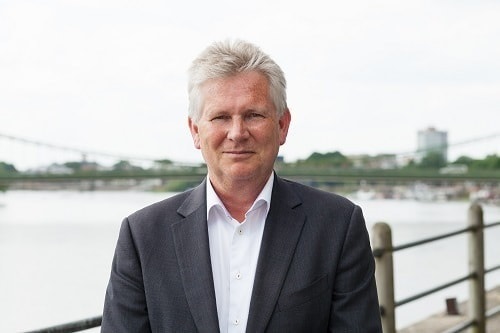
 Lawrence Waterman: "Conspiracy theorists and sections of the wellness community have bonded during the pandemic."
The messages of the different groups are remarkably similar: the virus is a cover for a plot of totalitarian proportions, designed to stifle freedom of movement, assembly, speech and enforce a programme of mass vaccinations.
A popular, multimillion-pound sector, huge reach and influence of wellness can bring people into thinking this way who previously wouldn’t have had any contact with the alt-right.
Some have claimed that Covid-19 has been faked to force people to have vaccinations. Online, someone claiming to be a ‘nurse from Birmingham’ knows that all the pandemic death certificates are fakes.
Don’t be dismissive that all these people are just nuts. The collapse of mainstream media and the rise of social media allow these conspiracy arguments to proliferate. They bring together wellness YouTube gurus and those burning 5G masts with others blaming the pandemic on the Chinese government and calling for Trump’s re-election.
The unknowns about the virus play into this, creating knowledge gaps that fringe theories can fill. Down the rabbit hole, if you listen to wellness podcasts the same themes repeat: fear as a means of social control, fear as a hormone response that weakens the immune system, how social distancing and intensified hygiene practices ruin the body’s natural immune response.
Central in the connection between the wellness industry and conspiracy is the notion of sovereignty over our bodies. Believers aren’t dissuaded by the facts like the number who died because there wasn’t a smallpox or polio or chickenpox vaccine. For many in the wellness industry, a pure body is their life’s work.
That is why anyone who wants their organisation to develop programmes for wellbeing – helping their colleagues to achieve and maintain health in mind and body – needs to focus on evidence-based strategies that eschew the wackier end of this field.
There is a need to improve how we look after ourselves and each other, but we need sensible partners in that effort and programmes that aren’t based on fear but on aspirations for a better workplace and a better world. Beware the real conspiracies that take you from sensible to crazy thinking and action.
Lawrence Waterman OBE is chair of the board of trustees at the British Safety Council


OPINION

Building a future worth working in
By Mike Robinson FCA, British Safety Council CEO on 12 October 2026
It’s easy to become myopic about the future of work. Take a quick look at the world today and the signs can seem discouraging: political instability, economic volatility, the accelerating disruption posed by AI and climate change. Together, these factors paint a picture of uncertainty that can make our belief in progress seem naïve and tempt us into believing that the future can be no better than the past, that our best days are now behind us. That would be a profound failure of imagination.

Rethinking homes as centres of economic activity (amongst other things)
By Andy Lake, Flexibility.co.uk on 08 October 2026
The decentralisation of work away from fixed workplaces, the rise of AI and demographic changes are creating new opportunities for people to carry out ‘hands-on’ work in the home, such as production of fashion, textiles, food and drink, and delivery of health services and therapies. However, our existing housing stock is not designed to accommodate such functions, so it’s essential that future town planning creates homes that support different kinds of enterprise, both to support business success and the wellbeing of these new home-based workers.
Learning that saves lives
By Mike Robinson, chief executive, British Safety Council on 11 September 2026
Success can sometimes be a problem. The better we become at preventing incidents, the harder it can be to see what is actually preventing them.