

The environmental crisis we face will be worse than the pandemic, Sir David Attenborough has said ahead of the UN COP26 summit in Glasgow in November.
News
Environmental crisis will be ‘worse than the pandemic’, says Sir David Attenborough
By
on 08 June 2021
Attenborough made the statement on being given the role of People’s Advocate for climate change at the summit.
He said: “The epidemic has shown us how crucial it is to find agreement among nations if we are to solve such worldwide problems. But the problems that await us in the next five to ten years are even greater.
“It is crucial that these meetings in Glasgow, COP 26, have success, and that at last the nations will come together to solve the crippling problems that the world, the globe, now faces.”
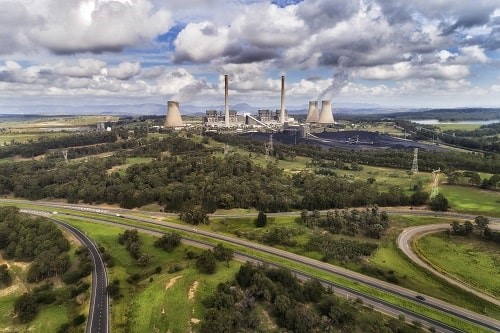 Bayswater power plant, Australia. Black coal is burnt for power generation, emitting carbon dioxide into atmosphere on a sunny day. Photograph: iStock/zetter
There is less than six months to go until over 30,000 delegates from 197 countries will convene to submit their new long-term goals to address the global climate emergency.
It is the first time the UK will host the UN Climate Change Conference of the Parties (COP26), which takes place on 1 to 12 November 2021, and is the 26th COP.
COP26 President, Alok Sharma has set out four goals for the UK. These are: securing global net zero, protecting communities and natural habitats from the impacts of climate change, mobilising finance and working together to accelerate action.
Making the announcement last month on 11 May, he said: “It is not a choice between cleaning up our environment and growing economies. We can do both at the same time. Indeed we have done both at the same time.”
At COP26, the UK will work with partners to take forward action on protecting and restoring forests and critical ecosystems. It will also champion the transition towards sustainable and ‘nature positive’ agriculture.
In concluding his speech, Mr Sharma repeated the importance of COP26 for the world to meet the limit of a global temperature rise of 1.5C – the promise enshrined by the Paris agreement in December 2015.
“This is our last hope of keeping 1.5 degrees alive. Our best chance of building a brighter future. A future of green jobs and cleaner air,” he said.
“I have faith that world leaders will rise to the occasion, and not be found wanting in their tryst with destiny.”
“That, in six months time, when we are packing up and going home, we will be able to say, that at this critical juncture, each of us took responsibility.”


NEWS

Scheme to recognise commitment to transport staff wellbeing launched by Road Haulage Association
By Orchie Bandyopadhyay on 01 October 2026
A new Wellbeing Recognition Scheme designed to allow organisations across the HGV, coach and van sectors to demonstrate their commitment to improving the health, wellbeing and resilience of the industry’s workforce has been launched by the Road Haulage Association (RHA).

Cost-of-living pressure is cutting into UK workers’ productivity, says report
By Orchie Bandyopadhyay on 04 October 2026
The cost of living is the single largest financial stressor for 62% of UK workers, far outweighing concerns about retirement savings (12%) and building emergency funds (8%), a new study has revealed. Sixty-two per cent of workers admit they do not fully understand the workplace retirement plan they pay into each month, according to TELUS Health’s Q2 2026 TELUS Mental Health Index.

Employers must meet staff to discuss flexible working requests, says first secretary of state
By Orchie Bandyopadhyay on 01 October 2026
Bosses must meet with employees who request flexible working and explain their reasons for any refusals, said Louise Haigh, first secretary of state, in a speech to the Trades Union Congress (TUC) in Brighton on 15 September.