

Learning that saves lives
Success can sometimes be a problem. The better we become at preventing incidents, the harder it can be to see what is actually preventing them.
By Mike Robinson, chief executive, British Safety Council on 11 September 2026

Success can sometimes be a problem. The better we become at preventing incidents, the harder it can be to see what is actually preventing them.
By Mike Robinson, chief executive, British Safety Council on 11 September 2026

Migraine can have a profound, and often avoidable, impact on people’s working lives and careers. The Government’s growing focus on workplace health offers an important opportunity to change this, but only if this common, often disabling and frequently invisible neurological condition is properly understood and addressed by Government, the NHS and employers.
By Rob Music, The Migraine Trust on 07 September 2026

With rising temperatures posing a growing health risk to UK workers, the TUC is calling for HSE guidance to be updated to require employers to take specific steps to protect workers' wellbeing when temperatures exceed pre-set trigger points.
By Huma Haq, TUC on 01 August 2026
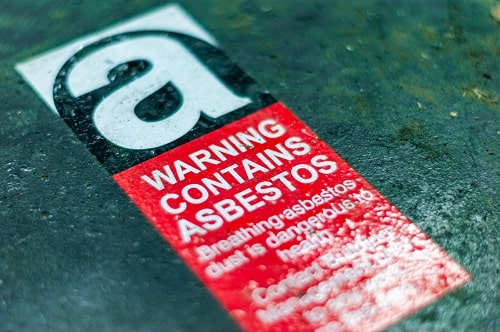
Although the UK has a framework for managing asbestos in buildings, a proposed new Asbestos Information Certificate rating dutyholder compliance with the relevant legal duties would place greater emphasis on ensuring building owners are adequately reducing the risk to occupants and tradespeople.
By Mick Dawson, ATaC on 05 September 2024
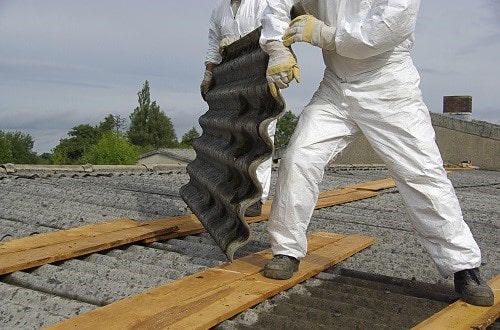
The UK has the worst record on mesothelioma deaths (a cancer solely attributed to past asbestos exposure) in the world, primarily because the UK imported more asbestos per capita than any other country.
By Charles Pickles, Airtight on Asbestos on 05 September 2024
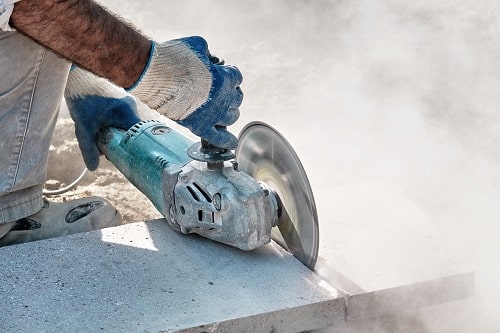
The sudden and alarming appearance of silicosis cases among engineered stone workers in the UK, against the backdrop of a ban in Australia and in some US States, has suddenly brought the question of how to regulate for health protection in the workplace to the fore.
By Kevin Bampton, BOHS on 04 September 2024

Asbestos was widely used in construction throughout the 20th Century, before finally being banned in 2000 – 50 years after the causal link with lung disease was made.
By Wayne Bates, NASUWT on 04 September 2024
Clinicians at the Royal Brompton hospital in London have warned about the dangers of silica exposure in a recent study published in Thorax. They are currently treating the first identified cases of silicosis caused by working with engineered stone in the UK and have called for a ban on artificial stone to ward off the potential for an increase in silicosis cases.
By Jim Shannon MP on 04 September 2024

No doubt you have heard or seen the ads marking the 50th anniversary of that famous fast-food restaurant with the golden arches. Those of you who’ve been paying attention will also be aware that it’s the 50th year since the Health & Safety at Work Act was enacted in the UK. I am sure there is no significance in this. But when I started thinking about it, there are perhaps some parallels we can draw between the success of the aforementioned restaurant chain and the landmark 1974 Act.
By Mike Robinson FCA, British Safety Council on 02 September 2024

If you are in the market for a new kitchen, you will come across engineered stone or ‘quartz’ worktops. Cheap, premium, luxury are words that will be thrown around photos and videos lingering on expanses of shiny, multicoloured stone. But not in Australia, where since July new engineered stone worktops have been banned (although some states allow a six-month transition period).
By Baroness Bennett of Manor Castle on 30 August 2024
With a new Labour Government there is an opportunity for a new direction for occupational health and safety.
By Janet Newsham, Hazards Campaign on 19 August 2024
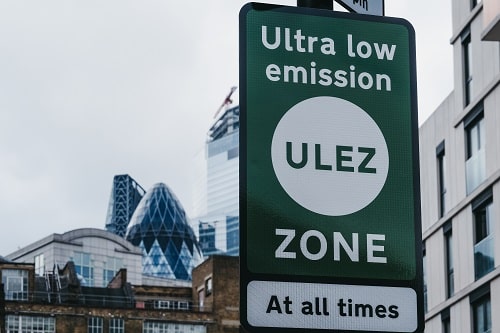
Cast your mind back to summer last year. Do you recall the almighty row about expanding the Ultra-Low Emission Zone (ULEZ) to the whole of Greater London? You may also remember just how vociferous, and political, the arguments became.
By Mike Robinson FCA on 31 July 2024

The Sentencing Council Health and Safety Offences, Corporate Manslaughter and Food Safety & Hygiene Offences Definitive Guideline (‘the Guidelines’) came into force nearly 10 years ago. The Guidelines sought to implement a proportionate approach to sentencing, ensuring that the levels of fines imposed are proportionate to the means of the offender and reflect the seriousness of the offence committed. This article will explore the sentencing process, provide an update on sentencing over the years and will explore some recent cases.
By Polly Geddes and Hannah Burton, Pinsent Masons on 29 July 2024


